A heated eyelash curler is only as good as its heating element. On an MCH (metal-ceramic heater) platform, the clip reaches working temperature in about 5 seconds and holds it within roughly ±5 °C under NTC closed-loop control. On a conventional coil-wire tool, the same job typically takes 20–40 seconds, and the temperature still drifts across the clip face. For a buyer sourcing a private label beauty device, that gap is not a spec-sheet detail: it decides review scores, return rates, and whether the product can legally carry a temperature claim in your market.
Why this is a commercial decision, not an engineering footnote
Three numbers on your P&L follow directly from the element:
- Ready time → how the product is reviewed. A curler that needs 30 seconds reads as “doesn’t heat up”.
- Control accuracy → how the product is complained about. A clip running 15 °C above set point is a burn report and a platform case.
- Service life → what you pay after the sale. A failed element is a warranty unit plus outbound freight, not a line item you can recover.
For a 10,000-unit programme, a 3% element-related return rate is 300 units, 300 courier labels, and a marketplace account metric you have to defend. That is the real cost of a cheaper heater.
How the two technologies actually work
MCH (metal-ceramic heater) — a resistive track is printed and sintered onto a ceramic substrate, then bonded to the clip’s contact face. Heat is generated across an area, close to the surface that touches the lash.
Coil wire — a nichrome filament is wound around or pressed against the clip. Cheaper to tool and workable for low volumes, but the heat originates along a line, and that line has to conduct through metal before it reaches the lash.
That single geometric difference explains all four dimensions below.
The four dimensions buyers should compare
| Dimension | MCH (metal-ceramic heater) | Coil wire |
|---|
| Heat-up speed | About 5 s to working temperature on current S01/S02 platforms | Typically 20–40 s on conventional coil designs; slower again on a partly discharged battery |
| Temperature uniformity | Flat ceramic face heats the whole clip; set point held to about ±5 °C by NTC closed-loop control | Point contact at the windings: hot bands near the coil, cooler tip, visible gradient on a thermal camera |
| Safety & service life | No exposed filament to oxidize, sag or break; encapsulated element keeps its geometry over the product life | Filament sags and oxidizes with cycling; hot-spot drift appears before outright failure, so early units feel different from later ones |
| Anti-scald performance | Ceramic body stays near set temperature, silicone guard over the contact edge, closed-loop ceiling prevents overshoot | Coil can overshoot before the control reacts; the guard sits over a hotter, less even surface |
What ±5 °C buys you in the market
- A defensible claim. You can print 65 / 75 / 85 °C and mean it. Open-loop tools usually quote a range, not a set point.
- Sample-to-production consistency. When the element and the sensor are a matched pair, unit 1 and unit 5,000 behave the same — which is what your QA team actually tests.
- Fewer platform complaints. Heat-related complaints (“too hot”, “stopped working”) are the expensive kind: they arrive with photos and a return request.
- A shorter demo. A five-second warm-up is a sales argument in a retail aisle and in a 15-second video ad. Thirty seconds is dead air.
Safety and lifespan: what to ask, not what to assume
Both technologies can be made safe. The difference is how much of the safety depends on the control loop versus the element itself.
On the MCH platforms used in S01 and S02, the heater is encapsulated, the NTC sensor sits against the plate, and firmware clamps the ceiling temperature. There is no glowing wire behind the clip. On coil designs, the same firmware has to compensate for an element that changes behaviour as it ages — which is why cheap coil tools often feel hottest when new.
Why our team’s background matters here
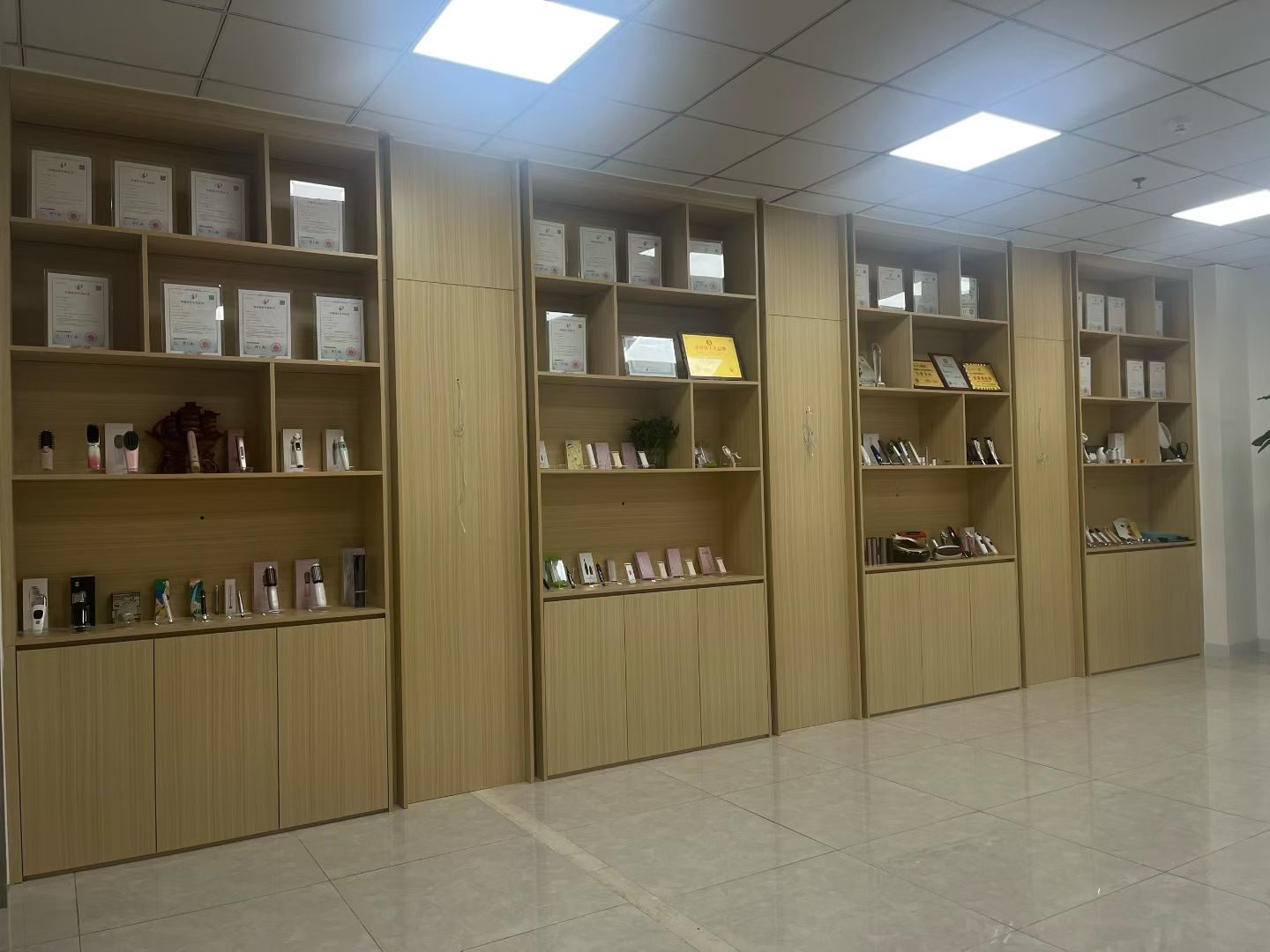
The engineering team behind our MCH platforms includes core inventors of China’s first commercially launched MCH-heated eyelash curler. That matters less as a badge and more as a process: the heater geometry, the sensor placement and the temperature curve were developed together, in-house, over more than 15 years of beauty-tool manufacturing. We did not buy a module and wrap a housing around it.
The practical consequence for a buyer: when you ask for 65 / 75 / 85 °C, you get three calibrated set points, not three firmware labels on the same curve. When you ask for a different curve for your market, the change is made in the same building where the heater is bonded.
How to verify any supplier before you place a PO
Ask these five questions and require written answers:
- Which heater technology, and what is the measured heat-up time at 50% battery?
- Where is the NTC sensor, and what accuracy is specified at the clip face — not at the PCB?
- Can you show a thermal image of the full clip at steady state?
- What is the element’s expected cycle life, and what fails first?
- Which test report covers this exact model and electrical configuration?
A supplier who answers all five in one document has done this before. A supplier who answers with a catalogue has not.
Two platforms you can start from
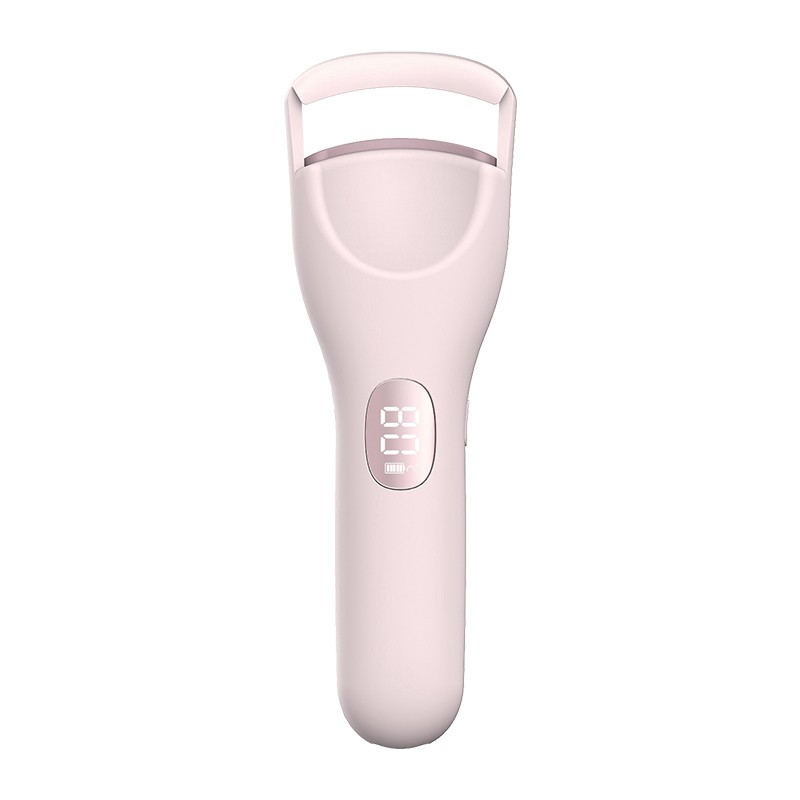
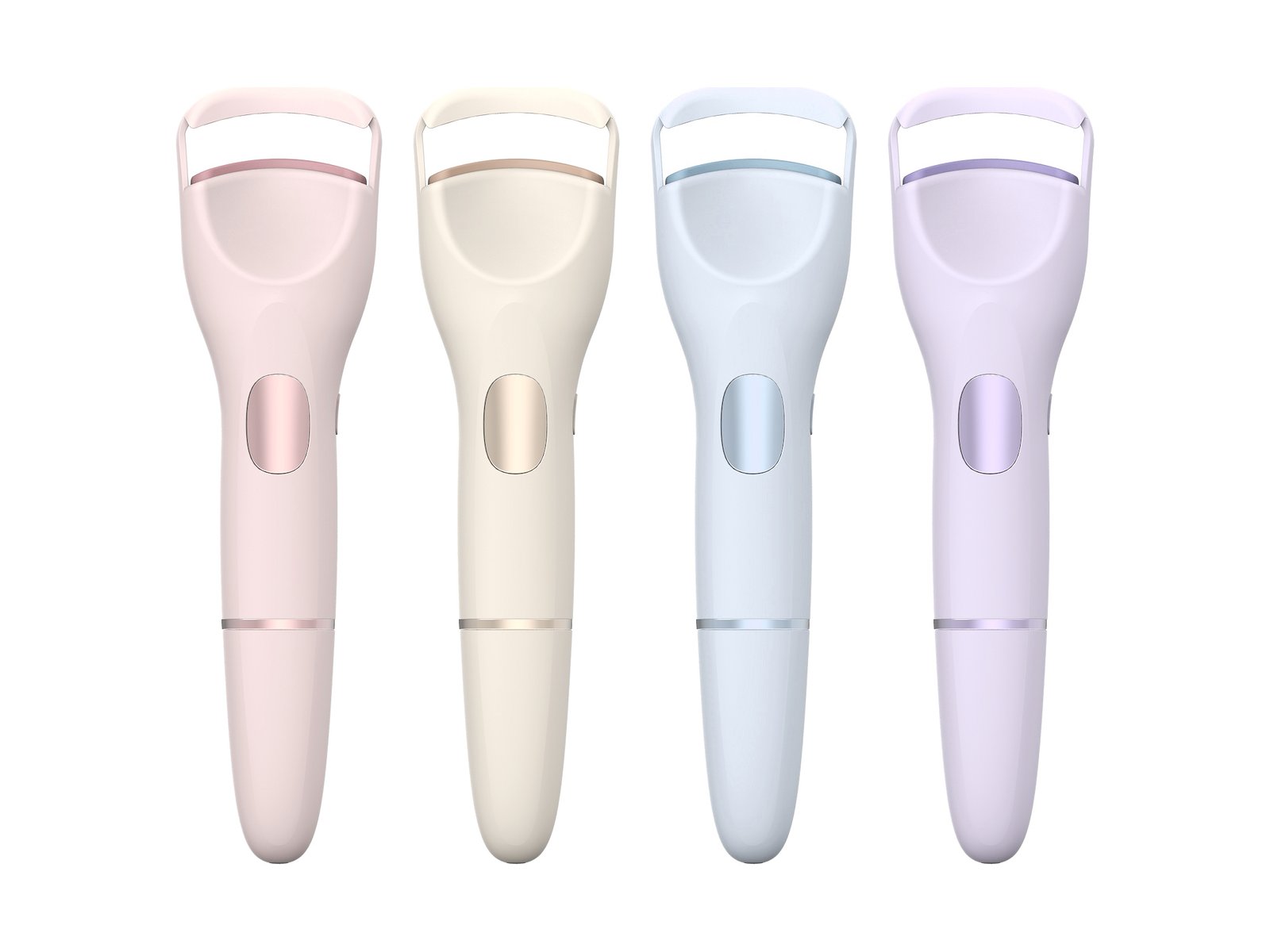
- S01 heated eyelash curler — single-head wide U-clip, MCH heating, 65 / 75 / 85 °C with LED display, 350 mAh USB-C, 120 × 40.5 × 19 mm, 31 g.
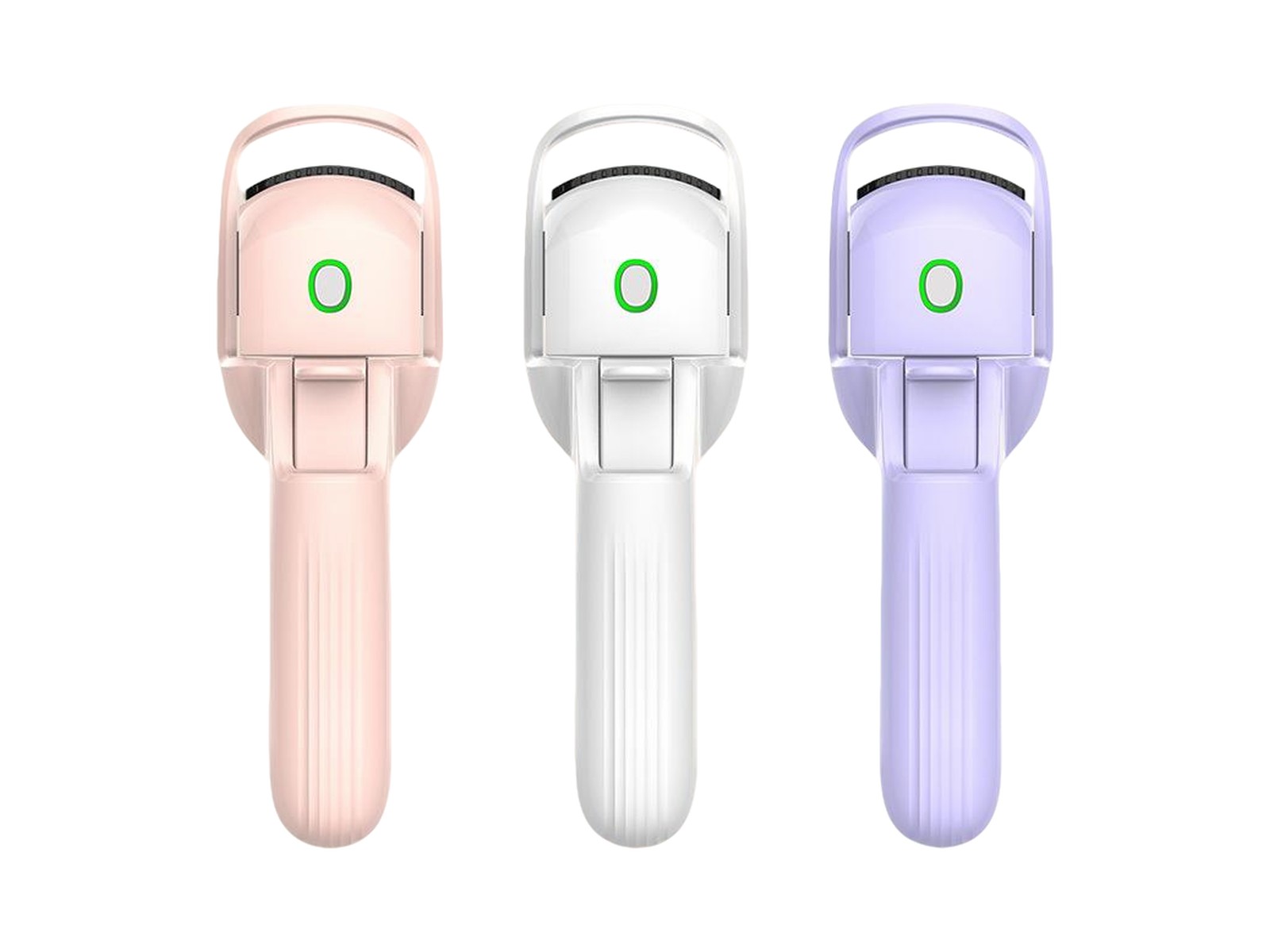
- S02 dual-head 3-in-1 heated eyelash curler — clamp plus detachable comb head, independent 3-gear heat on each head, 350 mAh KC-certified cell, USB-C (~2.5 h), 145 × 40.5 × 19 mm, 36 g.
Both ship with CE, RoHS and FCC test reports per model; PSE documentation is available for Japan. If you are building a private label programme, the OEM/ODM process covers colour, logo, finish and packaging, and the certifications page explains what each file set contains.
Ask for a sample kit
Specs settle arguments; a sample settles a decision. Send your target market, channel and expected quantity, and we will send a sample kit for the model you are evaluating — the unit, its current specification sheet, and the test report file set for your destination market — with the sample cost, courier option and shipping date quoted up front.
Ask for a Sample Kit · Request Quotation